
Something wrong right now? If a warning light is red, if the temperature gauge is climbing, if the steering or the brakes feel different from how they felt yesterday, or if you can smell fuel — stop driving and call us. A tow costs less than an engine. We will talk you through whether it is safe to bring it in under its own power before you try. Call 000-000-0000
A fault code is a symptom, not a diagnosis. It tells you that a sensor reading fell outside an expected range at some point in the past — not which of several possible causes produced it, and not whether the part the code names is even the one at fault. A free code read at a parts store exists to sell a part matching that code, and it sells the wrong part about as often as it fixes a car.
Marque-specific software goes far beyond a generic reader: live data from every sensor, bidirectional control that lets a technician command a component and watch whether it responds, and manufacturer bulletins for known faults on that exact model. Where the software still leaves a question open, a lab oscilloscope finds a signal that is present but wrong, and a smoke machine fills a system with dense vapour and shows exactly where it escapes — both slower than reading a code, and the only way to find certain faults at all.
Some faults are intermittent by nature — a wiring fault that only shorts once a loom has warmed and moved on its mounts, a sensor that fails for one cold start in twenty — and no thirty-minute inspection catches them on demand. The only way to find one is to leave the car connected to a scope for a day, slower than a same-day fix but the difference between solving it and replacing parts until the fault goes away. The diagnostic hour is $149, credited in full against the repair.
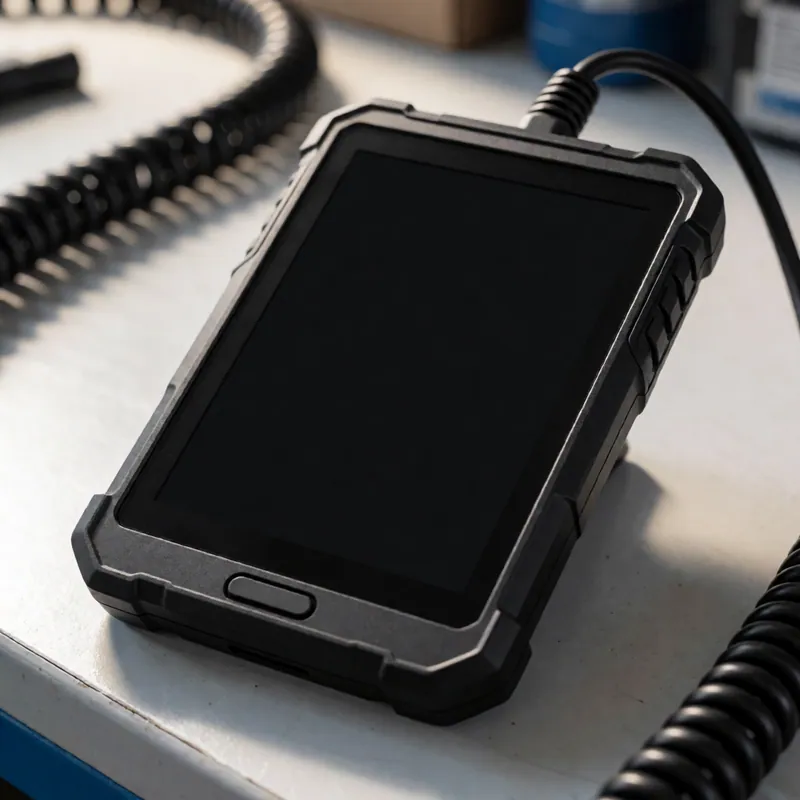
A fault code is a symptom, not a diagnosis
Reading the code is the easy five minutes; working out what actually caused it is the job.
What a code actually records
A five-character code means a sensor reading fell outside an expected range at a specific moment — nothing more. It does not say which of several possible causes produced that reading, and the component named in the code's description is frequently not the part that has actually failed.
Why a free code read sells parts, not fixes
A parts counter reads the code, matches it to a part on the shelf, and sells it to you — that is the entire business model, and it succeeds often enough that people keep using it. It has no way to confirm the part it just sold you is actually the cause of your specific car's fault.
The most commonly misdiagnosed code family
Misfire and oxygen-sensor codes are read the same way across an enormous range of possible causes — a coil, a plug, an injector, a vacuum leak, a wiring fault, or a mechanical problem inside the engine itself can all trigger the identical code. Reading the code narrows the search; it does not end it.
What we do differently
We treat the code as a starting point for a proper investigation rather than a shopping list, using marque software, live data and — when the case calls for it — a lab oscilloscope or a smoke machine to actually confirm the cause before anything is replaced.
The diagnostic hour, and why it is not wasted money
A full hour of a technician's time and the marque software costs $149, and it is credited in full against the repair if you go ahead with us. It is the fee for being told the truth instead of a guess.
Marque software, a lab oscilloscope, and a smoke machine
Three different tools for three different kinds of problem, used in that order as each one is actually needed.
Marque-specific diagnostic software
Kept on live subscription for the marques we see most, it gives live data streaming from every sensor, bidirectional control that lets a technician command a component and watch whether it responds, and manufacturer bulletins for known faults on that exact model — considerably more than a generic reader's single code.
A generic code reader, and its real limits
Reads a standardised code common to every manufacturer, which is useful for a rough first read but blind to manufacturer-specific systems, live bidirectional tests, and the deeper fault memory that marque software can access. It is a starting point, not an investigation.
The lab oscilloscope
Finds faults a scan tool cannot see at all — a sensor signal that is present but wrong, an injector opening slightly late, a wiring fault that only appears once the loom has warmed. Slower and harder to read than a code, and the only thing that finds certain problems.
The smoke machine
Fills an intake or an evaporative system with dense, inert vapour at low pressure and shows exactly where it escapes. Finds vacuum and evaporative leaks in minutes that would otherwise absorb hours of swapping parts and hoping.
Choosing the right tool for the symptom
A rough idle at start-up points toward smoke testing for a vacuum leak; an intermittent electrical fault points toward the oscilloscope; a stored code with no obvious symptom points toward marque software and live data first. We choose based on what the car is actually doing, not on which tool is fastest to reach for.
Intermittent faults, and the case for leaving a car connected
The hardest faults to find are the ones that will not perform on command, and there is only one honest way to catch them.
Why some faults only show up sometimes
A wiring fault that only shorts once a loom has warmed and moved slightly on its mounts, or a sensor that fails for one cold start in twenty, will pass every test performed on a cold, stationary car in a bay. The fault is real; it is just not present at the moment you are looking for it.
Leaving the car connected for a day
Sometimes the only reliable method is to connect a scope or a data logger and leave the car running or driving with it recording, so the fault gets caught the moment it actually happens rather than reproduced on demand. It is slower and less satisfying than a same-day fix, and it is the only thing that works for some faults.
The misfire that three visits elsewhere could not fix
A sedan came to us with a misfire code that three previous visits had answered with plugs, then coils, then an injector — each a reasonable guess, none of them the actual cause. We left it connected to a scope for a day.
What the scope actually found
A wiring loom chafing against a bracket, which only shorted once the engine had warmed and moved on its mounts — invisible to every test performed on a cold engine. The repair was $180 of labour and about eleven inches of new wire, and the code has not come back.
What this means for your own diagnostic bill
If your fault has already resisted a plug, a coil or an obvious part swap somewhere else, it is very likely one of the faults that only shows up under specific conditions, and it may need a day connected rather than an hour. We will tell you honestly if that is where your case is headed before we start.
Diagnostics in western Queens
A fault code names a symptom, not a diagnosis — marque software, a lab oscilloscope and a smoke machine find the actual cause.
It starts the same way whatever you are here for: the car goes on a lift, gets a free documented inspection, and you get photographs and a line-by-line price on your phone before anybody picks up a tool. Approve the lines you want. Silence is not approval and never has been.
Questions
Diagnostics — the questions we are asked most
What does it mean when a warning light comes on?
It means a sensor recorded a reading outside its expected range at some point — it does not by itself tell you which of the possible causes produced that reading, or whether the part named in the code's description is the part actually at fault. Treat the light as the start of an investigation, not an instant diagnosis, and be wary of anyone who reads the code and sells you a part in the same five minutes without confirming it against the car in front of them.
Why shouldn't I just get a free code read at a parts store?
Because a free code read tells you what code is stored and nothing about which of several possible causes actually produced it — the business model is selling you the part the code names, whether or not that part turns out to be the fault. We use the same starting information but confirm the actual cause with marque software, live data, and where needed a lab oscilloscope or a smoke machine, before we ever recommend a part.
What is the difference between marque software and a generic code reader?
A generic reader gives you a standardised five-character code common to every manufacturer — useful for a rough first read, but blind to manufacturer-specific systems and live bidirectional tests. Marque-specific software, kept on live subscription for the marques we see most, gives live data from every sensor, the ability to command a component and watch whether it responds, and access to manufacturer bulletins for known faults on that exact model — considerably more information than a code alone.
What do a lab oscilloscope and a smoke machine actually find?
A lab oscilloscope finds faults a scan tool cannot see at all — a sensor signal that is present but wrong, or an injector opening slightly late — by reading the actual electrical waveform rather than a summary code. A smoke machine fills an intake or an evaporative system with dense vapour at low pressure and shows exactly where it escapes, finding vacuum and evaporative leaks in minutes that would otherwise take hours of swapping parts and guessing.
My car has an intermittent problem that only happens sometimes. Can you still find it?
Usually, yes, though it may take longer than a standard diagnostic hour. Some faults — a wiring loom chafing once it has warmed and moved on its mounts, a sensor that fails for one cold start in twenty — will not perform on command in a bay, and the only reliable method is to leave the car connected to a scope or a data logger until the fault happens again. It is slower than a same-day fix, but it is the difference between actually solving it and replacing parts until it stops by accident.
Is the diagnostic fee wasted if I decide to fix it somewhere else?
No, though it is not credited elsewhere either — the $149 covers a full hour of a technician's time and the marque software regardless of what you decide afterward, and it is credited in full against the repair only if you go ahead with us. You keep the written finding either way, and you are free to take it, and the photographs that come with it, to any shop you choose.
You mention a case with a recurring misfire code. What actually happened?
A sedan arrived with a misfire code that three previous visits elsewhere had answered with new plugs, then new coils, then a new injector — each a reasonable guess, none of them correct. We left the car connected to a scope for a day and caught a wiring loom chafing against a bracket, which only shorted once the engine had warmed and moved slightly on its mounts. The repair was $180 of labour and about eleven inches of new wire, and the code has not returned.
How much does engine diagnostics cost in Woodside, NY?
A full diagnostic hour with a technician and the marque software is $149, credited in full against the repair if you go ahead with us. Most single faults are resolved within that hour; a genuinely intermittent one may need additional time at the same rate, connected to a scope over a longer period, and we will tell you plainly if your case looks like it is headed that way before we run up further hours.
Related
Usually booked alongside this
Repair & Diagnostics
Auto Repair
Diagnose first, price second, repair third — a written, photographed estimate before any work, and 24 months or 24,000 miles on parts and labour together.
Read more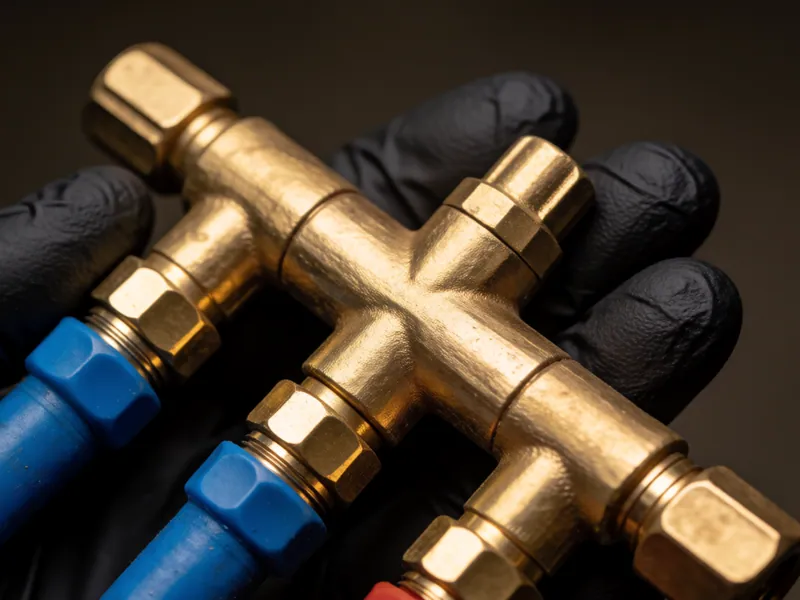
Repair & Diagnostics
Car AC Service
Topping up refrigerant is not a service — a system that lost refrigerant has a leak, and we find it before recharging to factory weight.
Read more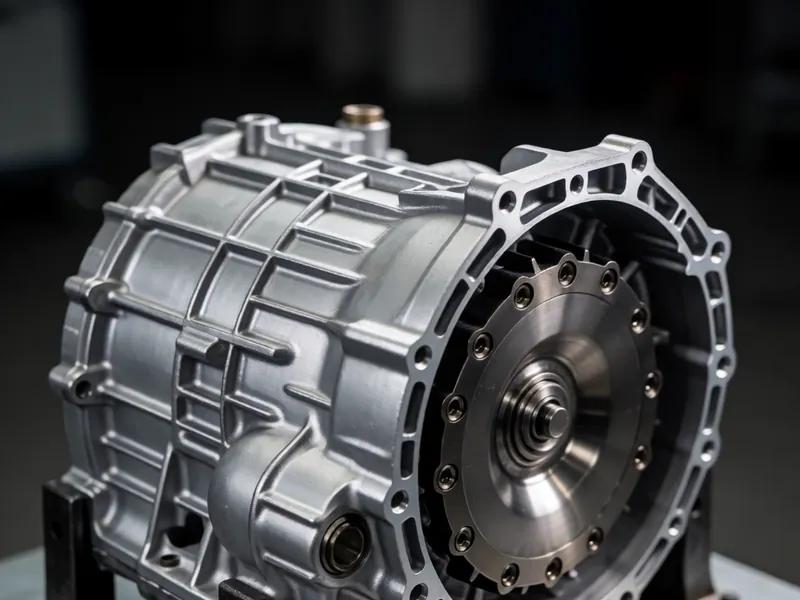
Repair & Diagnostics
Transmission
Drain-and-fill or full exchange decided by your transmission's actual history, CVT-correct fluid, and honest triage when a rebuild is not worth the money.
Read moreA written estimate with photographs, before any work
Book your car in
Every car that comes in goes on a lift and gets a documented inspection before anything is priced, and that inspection is free. You get photographs of what we found and a line-by-line estimate on your phone, and nothing happens until you reply.