Why room by room
What is actually in the building
Most of what a repair shop is worth to you is invisible from the waiting room. It is whether the alignment rack is calibrated, whether the diagnostic software is current, and whether the tire changer can mount a wheel without marking it. Here is every part of the building, in order, with what is actually in each one.
The main floor
Eight service bays
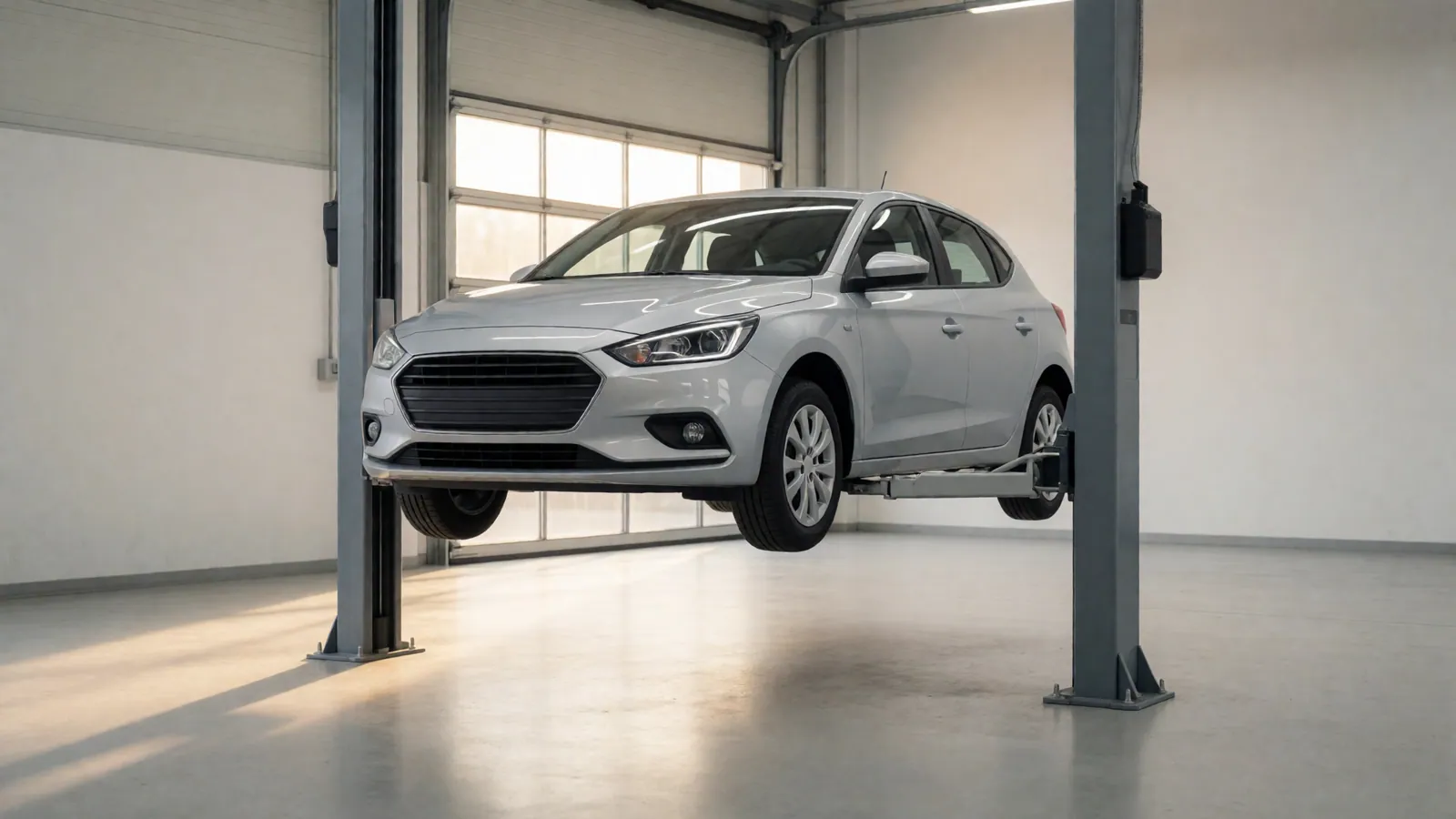
Six two-post lifts and two flush-floor scissor lifts, one of them rated for full-size pickups and vans. Every bay has its own extraction, its own lighting and its own air.
Tires & alignment
The tire and alignment lane
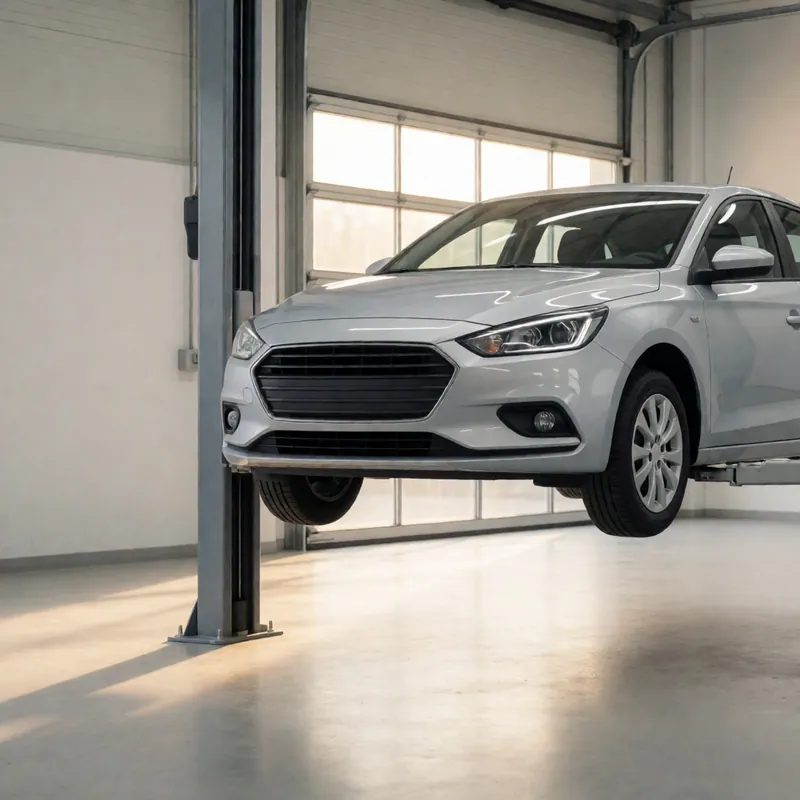
Touchless tire changing that will not mark an alloy wheel, road-force balancing rather than plain spin balancing, and a full four-wheel alignment rack with printed before-and-after figures.
Diagnostics
The diagnostic bay
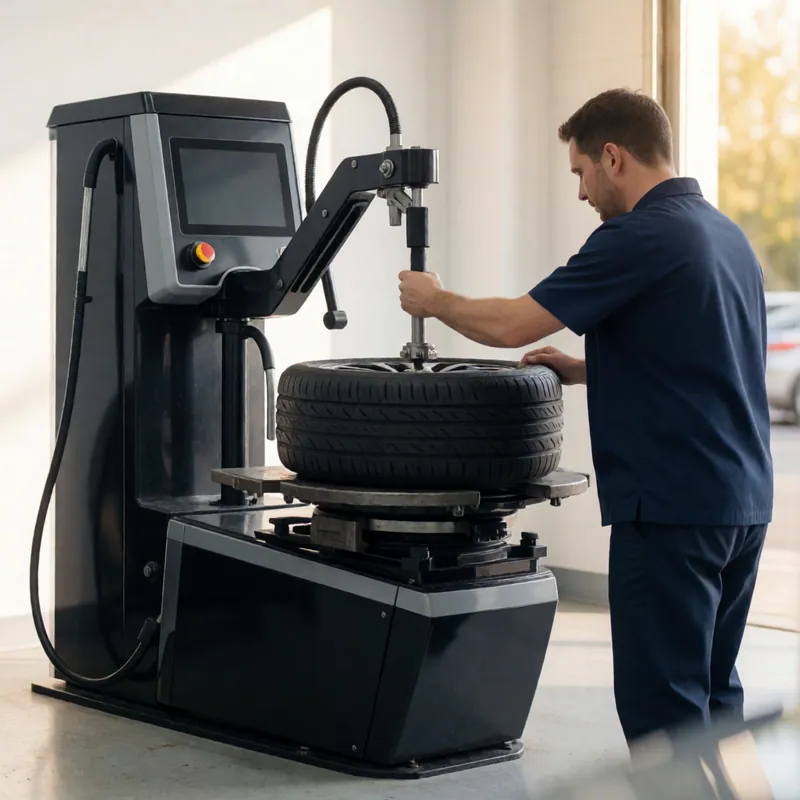
Marque-specific scan software kept on subscription rather than pirated, a lab scope, a smoke machine, and — the thing that actually solves most intermittent faults — enough space to leave a car connected for a day.

Hybrid & electric
The high-voltage bay
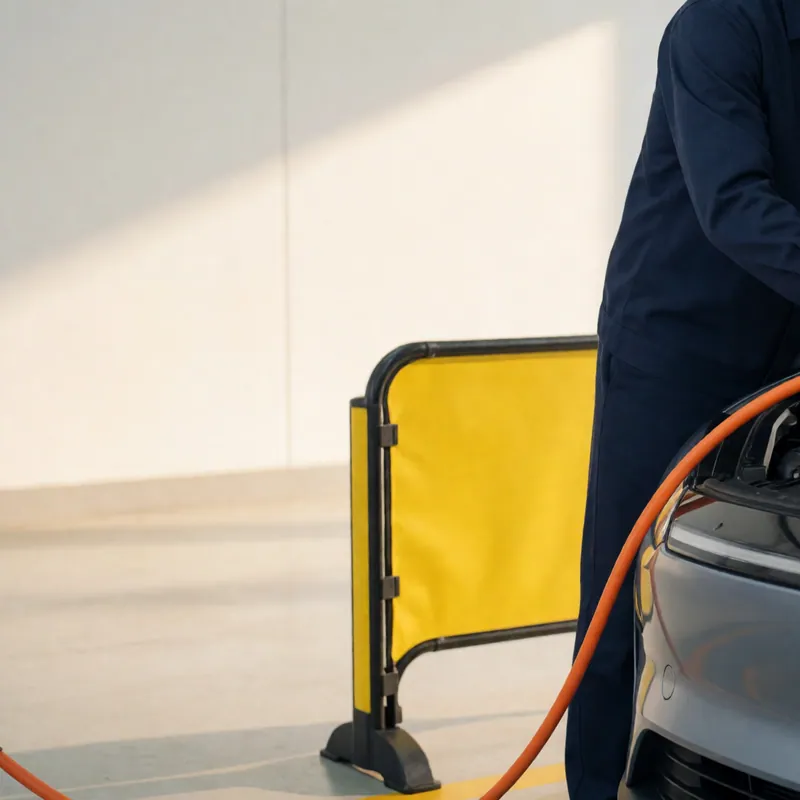
Physically separated, barriered, with insulated tooling and its own lock-out procedure. Hybrid and EV work does not happen next to somebody welding.
Body & paint
The paint booth
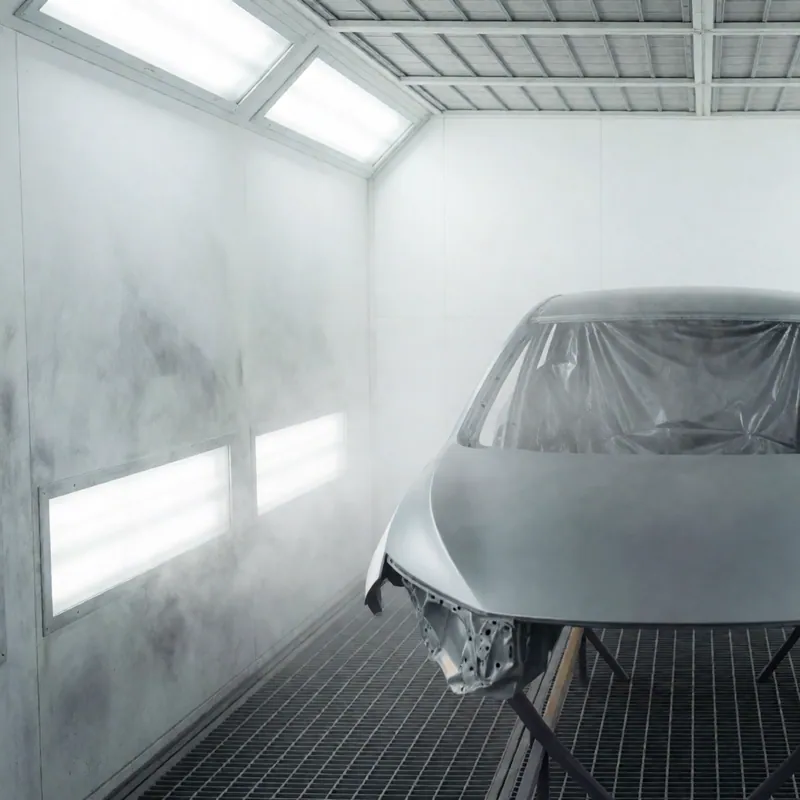
A sealed downdraft booth with heated cure. Colour is matched with a spectrophotometer against your actual panel, not against a code — a five-year-old car has not been its factory colour for five years.
Body & paint
The body shop
Panel repair, paintless dent removal and preparation, kept behind a door and under its own extraction so sanding dust never reaches a wet panel or an open engine.

Parts
The parts store
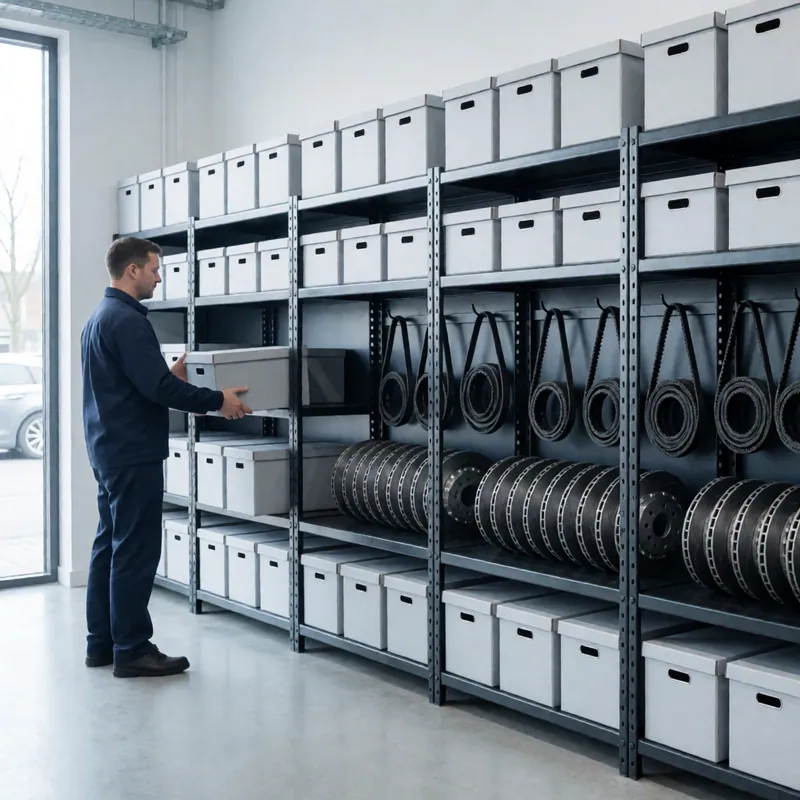
Stocked with the filters, brakes, batteries and belts for the cars we actually see, which is why most maintenance is same-day rather than next-week.
Front of house
Reception and the waiting room
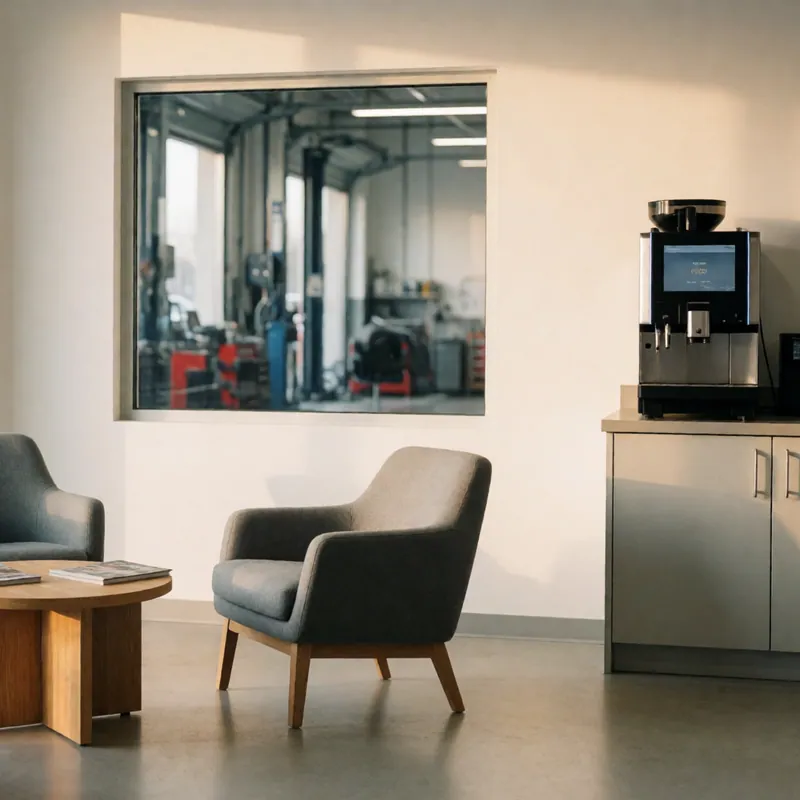
Coffee, real chairs, working wifi and a window onto the workshop floor, because you should be able to see your own car being worked on if you want to.
One roof
Why all of this lives in one building
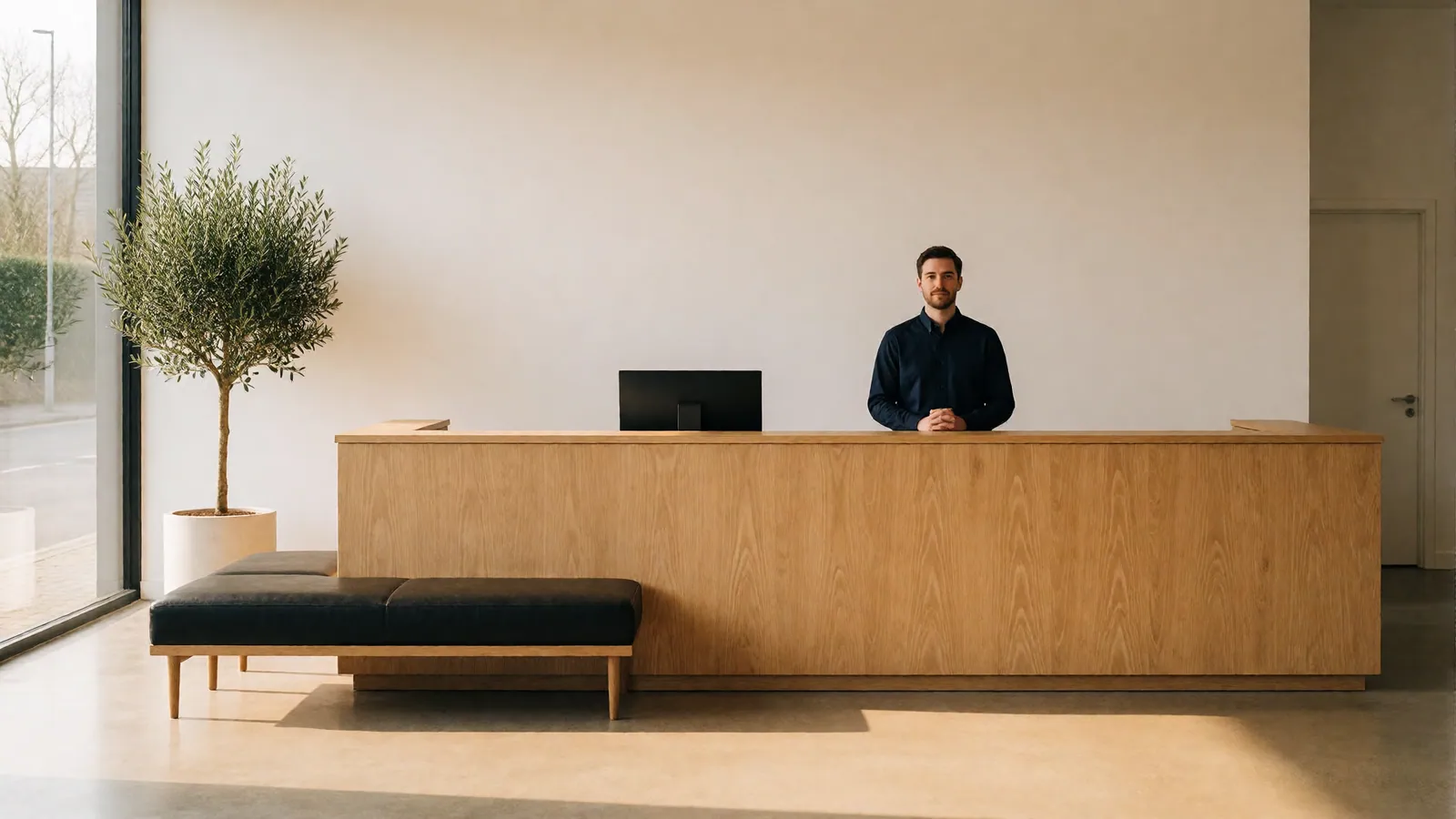
Everything above is under one roof on 61st Street. That matters more than it sounds: a car that needs diagnosis, then a repair, then an alignment, then a panel blended does not get moved between three businesses, three diaries and three sets of excuses. It is in one building and one person is accountable for it.
- One estimate covers a job that touches three bays, not three separate invoices from three separate businesses.
- One warranty covers the whole repair, even when diagnosis, the fix and an alignment happened in different rooms.
- One person, not a phone tree, can tell you exactly where your car is in the building right now.
While you wait
The waiting room has a window onto the workshop for a reason
Coffee and working wifi are the easy part. The window that runs along the wall between the waiting room and the main floor is the part we would defend if we had to cut something else instead: you should be able to watch the actual work on your actual car if you want to, rather than take a stranger's word for what happened behind a closed door.
It is a small thing and it changes how the whole conversation goes. A customer who has watched a technician find a stiff spot in a tire on the road-force balancer does not need to be convinced the tire was bad. They saw it happen.
Read more
What is actually inside each bay
Every piece of equipment
What each machine does, and what it cannot do on its own. The equipment guide.
The marques we see every day
What earns this shop the right to work on them, family by family. Marques we service.
How a visit actually runs
From the phone call to the keys back in your hand. How it works.
A written estimate with photographs, before any work
Book your car in
Every car that comes in goes on a lift and gets a documented inspection before anything is priced, and that inspection is free. You get photographs of what we found and a line-by-line estimate on your phone, and nothing happens until you reply.