Something wrong right now? If a warning light is red, if the temperature gauge is climbing, if the steering or the brakes feel different from how they felt yesterday, or if you can smell fuel — stop driving and call us. A tow costs less than an engine. We will talk you through whether it is safe to bring it in under its own power before you try. Call 000-000-0000
Tire repair in Woodside, NY means one thing on our floor: a patch-plug applied from the inside of the tire, after it has been broken down off the wheel and inspected on both sides. It is the only method we consider a real repair rather than a temporary measure, because it is the only one that lets a technician see the inside of the casing and confirm there is no hidden damage the puncture caused on its way in.
A string plug pushed into a hole from the outside, without ever removing the tire, is not something we install. It seals the puncture from one side, leaves the inner liner and the casing around the hole completely uninspected, and can work loose under heat and flex in a way a proper patch bonded from inside rarely does. A patch-plug is vulcanized to the inner liner after a technician has actually looked at what the puncture did going in, which is the entire reason one is a repair and the other is a stopgap.
Run-flat tires complicate the decision further, because most manufacturers do not endorse repairing one at all once it has been driven any distance while flat — the reinforced sidewall structure can suffer damage that never shows from outside. And a puncture that keeps coming back after a repair is not usually a sign the repair failed; it is more often a sign the wheel is not seated properly, the valve is original and tired, or there is a second, smaller leak nobody has found yet, and we will keep looking rather than reseal the same spot twice.
Why a patch-plug from the inside is the only repair we install
Every other method treats the symptom and leaves the actual damage unexamined.
The tire comes off the wheel first
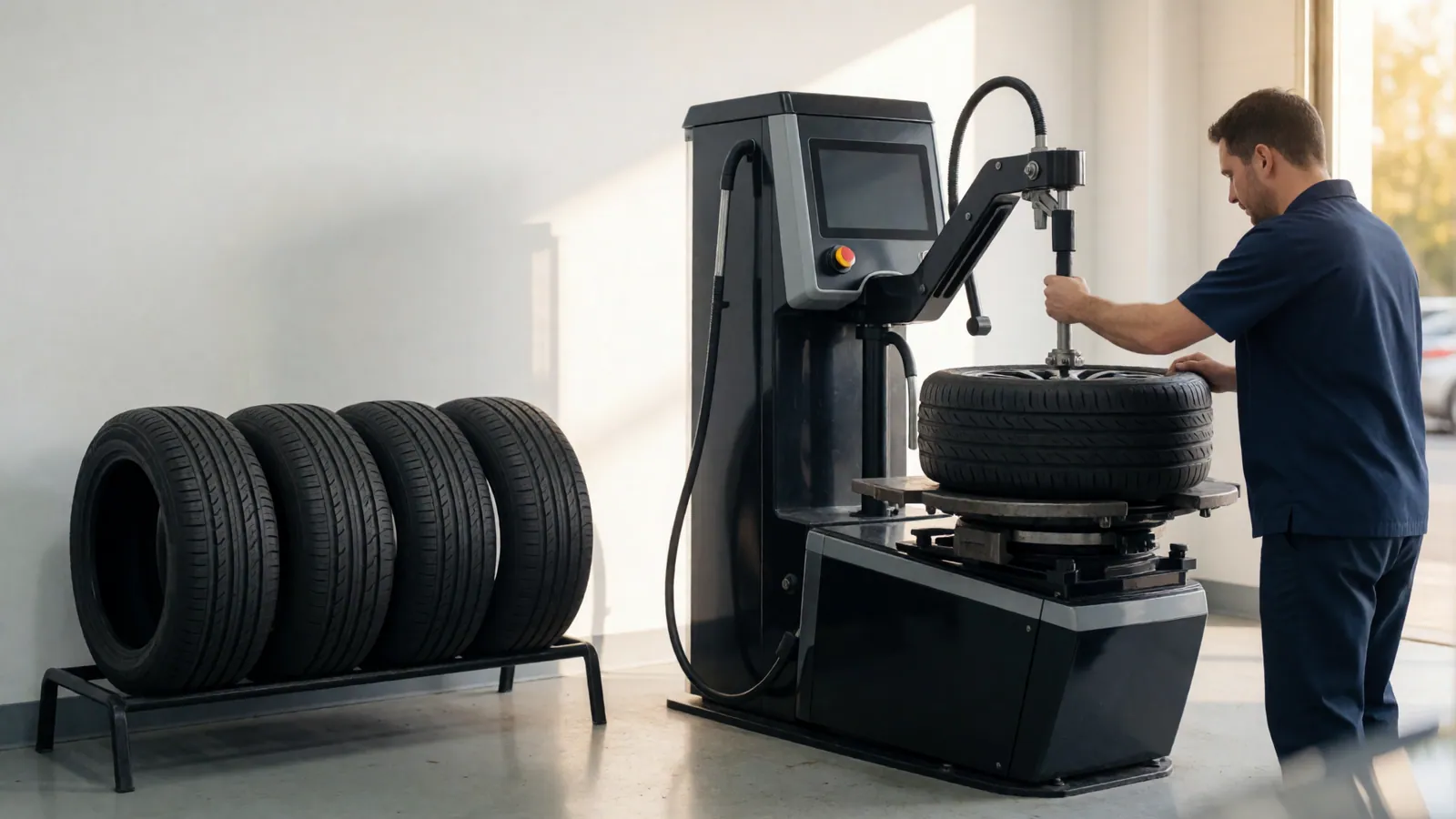
A patch-plug cannot be applied without dismounting the tire, because the repair is bonded to the inner liner, which is only reachable from inside. Anything advertised as a repair that does not require removing the tire is, by definition, not this kind of repair.
Both sides get inspected
With the tire off the rim, a technician checks the inner liner around the puncture for damage the object caused going in, not just the hole it left going in from outside. This is the step a string plug skips entirely, because the tire never comes off the car.
The plug and the patch are one unit, vulcanized in
A combination unit fills the puncture channel and bonds a patch over the inner liner in a single cured repair, rather than two separate fixes hoping to hold each other. It seals in both directions and becomes part of the tire rather than sitting inside it.
Why a string plug is not something we install
Pushed in from outside with the tire still on the car, it seals the tread side only, leaves the inner liner completely unexamined, and typically is not bonded to the tire at all — just wedged into the hole under pressure. It can hold for a while. It can also let go without warning.
Balanced and pressure-checked afterward
A repaired tire goes back on the balancer, because a plug and patch add a small amount of weight and material at one point on the wheel. Pressure is set to the door-jamb placard before the wheel goes back on the car, not to whatever was showing on the gauge when it came in flat.
The repairable zone, and when we will say no
Tread damage inside a defined area is repairable. Almost everything else is not, and pretending otherwise is how a tire fails at speed.
The repairable zone
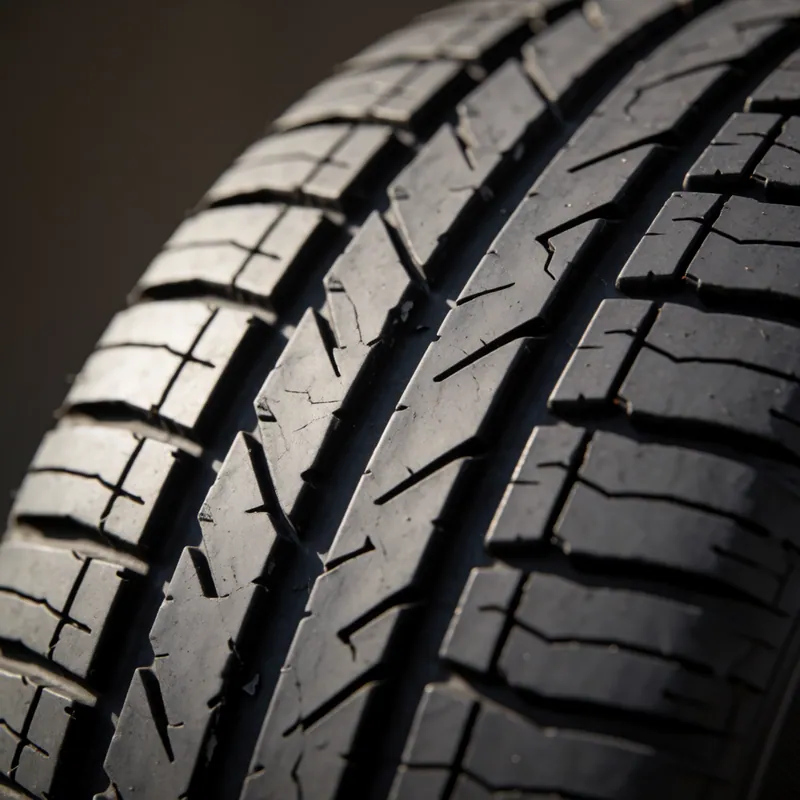
Punctures within the central tread area, away from the shoulder, are the ones a patch-plug can properly seal and reinforce. This zone exists because the tread is built to flex the least and carry the repair the most reliably of any part of the tire.
The shoulder and sidewall — never
Damage at the shoulder or anywhere on the sidewall flexes constantly as the tire rolls, in a way a patch cannot be engineered to survive. No shop that knows what it is doing repairs a sidewall puncture, regardless of how small the hole looks.
Puncture size and count
A hole larger than about a quarter inch, or more than one puncture within roughly sixteen inches of each other, generally takes a tire past what a repair can safely restore. We measure rather than guess, and we will show you the measurement.
Existing damage found during the inspection
A tire that shows a previous repair done incorrectly, visible cord or belt separation, or a bulge in the sidewall gets declined regardless of what the current puncture looks like, because the puncture is no longer the only problem.
When we say a tire is not repairable
We will tell you plainly, show you why, and price a replacement rather than sell you a repair we would not put on our own car. It is the single most common conversation in this bay, and it is never a difficult one to have honestly.
Run-flat tires
Most manufacturers do not endorse repairing a run-flat that has been driven any distance while deflated, because the reinforced sidewall can suffer internal damage a visual check will not reveal. We will inspect one on request but will generally recommend replacement rather than repair.
The puncture that keeps coming back after a repair
A recurring leak almost never means the first repair failed — it usually means something else was never found.
A second, smaller leak
The obvious puncture gets fixed and a second, much smaller one nearby keeps leaking slowly enough to be missed on the first inspection. We check the whole tire under water again at every recheck, not just the spot that was originally repaired.
A tired valve stem or a bad valve core
The valve is often the actual source of a slow leak that looks like it is coming from the tread, especially on a wheel that has not had its valve stem replaced in years. It is a two-minute check and a cheap fix compared with chasing a phantom tread leak.
A wheel that is not seated properly on the bead
Corrosion, a small dent in the rim flange, or debris trapped under the bead can leak air slowly around the entire circumference rather than through a single hole. Cleaning the bead seat and reseating the tire often solves what looks like a mystery leak.
Porosity in an older alloy wheel
Some aging alloy wheels develop microscopic porosity in the casting itself and leak very slowly through the metal rather than past the tire at all. A sealant applied to the inside of the wheel, not the tire, is the actual fix in these cases.
What to do if it keeps coming back
Bring it back rather than keep topping up the pressure every week. We will pull the wheel, submerge it and recheck the original repair, the valve and the bead seat rather than assume the first fix simply failed.
Tire Repair in western Queens
A patch-plug repair from the inside, done only where the damage sits inside the safe repair area, not a plug pushed in from outside.
It starts the same way whatever you are here for: the car goes on a lift, gets a free documented inspection, and you get photographs and a line-by-line price on your phone before anybody picks up a tool. Approve the lines you want. Silence is not approval and never has been.
This page is general information, not a diagnosis of your car. Nothing here can tell you whether a specific vehicle is safe to drive, because that needs somebody to look at it. Brakes, tires, steering and suspension are the systems that decide whether a car stops and goes where it is pointed, and a fault in any of them is not something to monitor for a few weeks and see. If the brake pedal has changed, if the steering pulls or feels loose, if a tire is losing pressure repeatedly, or if a warning lamp for any of these is lit, stop driving the car and call us on 000-000-0000 before you drive it further. High-voltage hybrid and electric systems carry a genuine risk of injury and are never work for an untrained person at the roadside.
Questions
Tire Repair — the questions we are asked most
How much does a tire repair cost in Woodside, NY?
$45 for a patch-plug repair applied from the inside of the tire, which is the only method we install. That price includes dismounting the tire, inspecting both sides of the puncture, the repair itself, rebalancing the wheel, and resetting the pressure to the placard figure. If the damage is outside the repairable area we will tell you before charging for anything beyond the inspection, which is free either way.
Why won't you just plug it from the outside without taking the tire off?
Because a string plug pushed in from outside seals only the tread side of the hole, leaves the inner liner completely uninspected, and is typically just wedged into the puncture under pressure rather than bonded to the tire. It can hold for a while and it can also fail without warning at speed. A patch-plug applied from the inside after the tire is dismounted is vulcanized in and lets us actually see what the puncture did on its way through.
Can a sidewall puncture be repaired?
No, and no shop that knows what it is doing will tell you otherwise. The sidewall flexes constantly as the tire rolls, in a way no repair material is engineered to survive, so damage there — however small the hole looks — means a replacement rather than a repair. The same is true of damage right at the shoulder, just past where the tread ends.
How do I know if my tire can be repaired at all?
We dismount it, measure the puncture, and check its position. Damage inside the central tread area, under about a quarter inch across, with no other punctures nearby and no sign of previous repair or internal separation, is generally repairable. Anything on the shoulder or sidewall, larger than that, or found alongside other damage gets declined, and we will show you exactly why rather than just say no.
Can run-flat tires be repaired?
Rarely, and most manufacturers do not endorse it once a run-flat has been driven any distance while deflated. The reinforced sidewall structure that lets it be driven flat in the first place can suffer internal damage that never shows on a visual inspection. We will assess one on request, but replacement is usually the honest recommendation rather than a repair we would not trust ourselves.
My tire keeps losing air even after a repair. What is going on?
A recurring leak almost never means the original repair failed — it usually means something else was never found: a second small puncture nearby, a tired valve stem, or the tire not seated properly against the rim. Bring it back rather than keep adding air every week. We will submerge the whole wheel again and check the valve and the bead seat, not just the spot that was originally repaired.
Is it cheaper to repair a tire or replace it?
Repair, by a wide margin, at $45 against the cost of a new tire and its mount and balance — which is exactly why we will always repair a tire that meets the safety criteria rather than push a replacement. The honesty runs the other way too: if the damage is outside what a repair can safely restore, we will say so and price the replacement rather than sell you a repair that will not hold.
What is your warranty on a tire repair?
24 months or 24,000 miles on the repair itself, the same as everything else we sell. If a patch-plug we installed leaks or lets go inside that window, we inspect it at no charge and repair or replace the tire at no charge, and we do not debate whether the original puncture or the repair was to blame. What a repair warranty cannot cover is a second, unrelated puncture somewhere else on the same tire — that is a new repair, priced the same as the first.
Related
Usually booked alongside this
Tires & Wheels
Tire Change
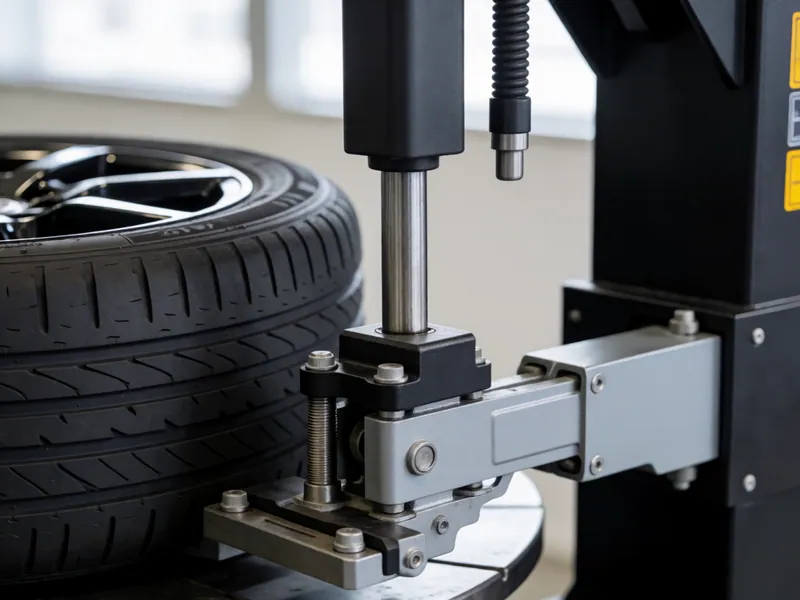
Dismount, mount, road-force balance, a new valve stem and a torque to specification, never an impact gun run to a stop, for $35 a wheel.
Read more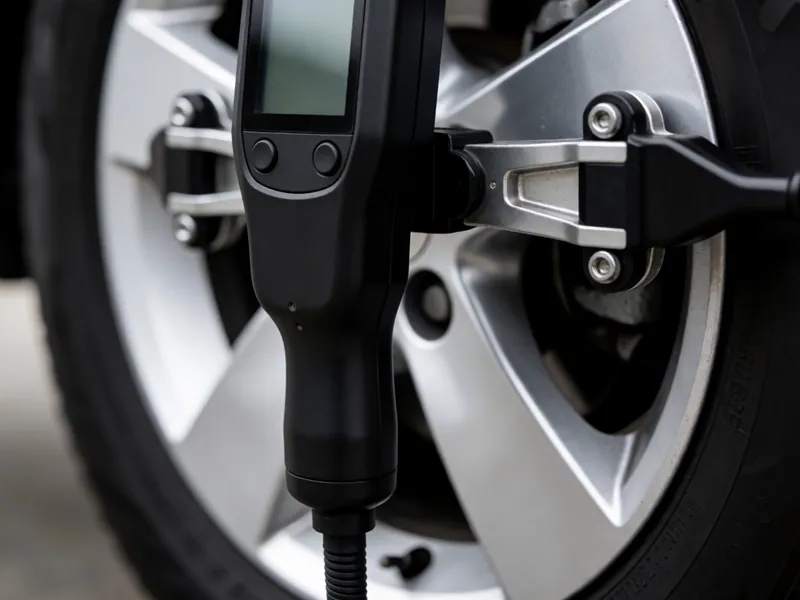
Tires & Wheels
Wheel Alignment
Four wheels measured against each other and against the manufacturer's own geometry, with a printed before-and-after figure whether or not adjustment was needed.
Read more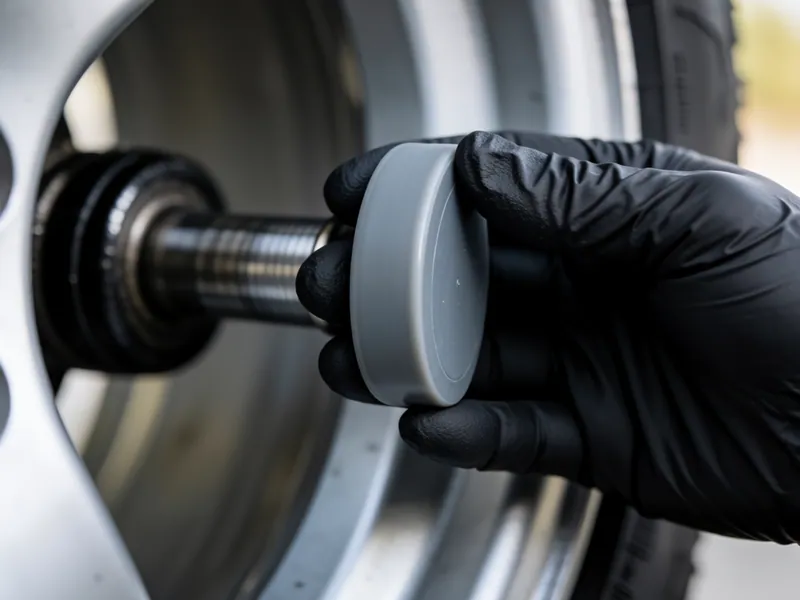
Tires & Wheels
Wheel Balancing
Road-force balancing finds the stiff spot inside a tire that a plain spin balance cannot see — why some shakes take three shops to solve.
Read moreA written estimate with photographs, before any work
Book your car in
Every car that comes in goes on a lift and gets a documented inspection before anything is priced, and that inspection is free. You get photographs of what we found and a line-by-line estimate on your phone, and nothing happens until you reply.