
Two hours, on a lift
Exactly what we check
Structure and evidence of previous collision repair
Panel gaps, overspray in places factory paint would never be, mismatched seam sealer and evidence of pulled or replaced structural rails. A well-repaired car and a badly hidden one can look identical from the driver's seat and nowhere else.
Underbody corrosion
On the lift rather than from a photograph, with particular attention to frame rails, subframes and brake and fuel lines — the places rust does the most damage and gets the least attention at a curbside viewing.
Fluid condition and leaks
Engine oil, transmission and differential fluid, coolant, brake and power steering fluid, checked for level, colour and contamination, and every gasket and seal checked for weeping or active leaks.
Brakes and tires, with measurements
Pad and rotor thickness, tire tread depth at multiple points across each tire, and the date codes on the tires themselves — a tire can look fine and still be a decade old.
Suspension
Every bushing, ball joint, tie rod end, shock and strut checked on the lift under load, for the play and the leaks that a test drive alone will not reveal.
A full diagnostic scan
Every module on the car, not just the engine — stored codes, pending codes that have not yet triggered a warning light, and the status of the readiness monitors, which tells us whether a fault was recently and deliberately cleared before you arrived to look at it.
A road test
How it starts cold, how it shifts, whether it pulls, any noise under load or under braking, and how it behaves at highway speed, which a stationary inspection cannot tell you at all.
Paint depth readings
A gauge reading at multiple points on every panel. A panel reading much thicker than the ones around it has been resprayed, which is not automatically a problem but is a fact you are entitled to know before you decide what the car is worth.
Being honest about the limits
What two hours cannot tell you
No inspection, ours included, can tell you how a car was driven for the years before you owned it, predict a failure that has not yet started, or promise that nothing will go wrong in the years after you buy it. What it can do is tell you the true condition of the car in front of us today, in writing, so the decision is made on evidence rather than on how clean the seller left the carpets.
A private seller
Ask them to meet you here, or agree a shop of their own choosing and send us the report to review — either is normal and neither should cause offence to a seller with nothing to hide.
A dealer
Most will allow it, and a dealer who allows it routinely is a small, useful data point in itself.
A seller who refuses outright
Tells you something on its own. It does not prove the car is hiding anything, but a seller confident in the car's condition rarely has a reason to refuse two hours of your money and their time before a sale that would otherwise go through.
A case in point
A pre-purchase inspection that saved $9,000
A customer was two hours from buying a low-mileage SUV. On the lift it showed weld splatter, painted-over crush damage and a rear floor pan that had plainly been replaced. Nothing on the paperwork. He paid us $199 and walked away.
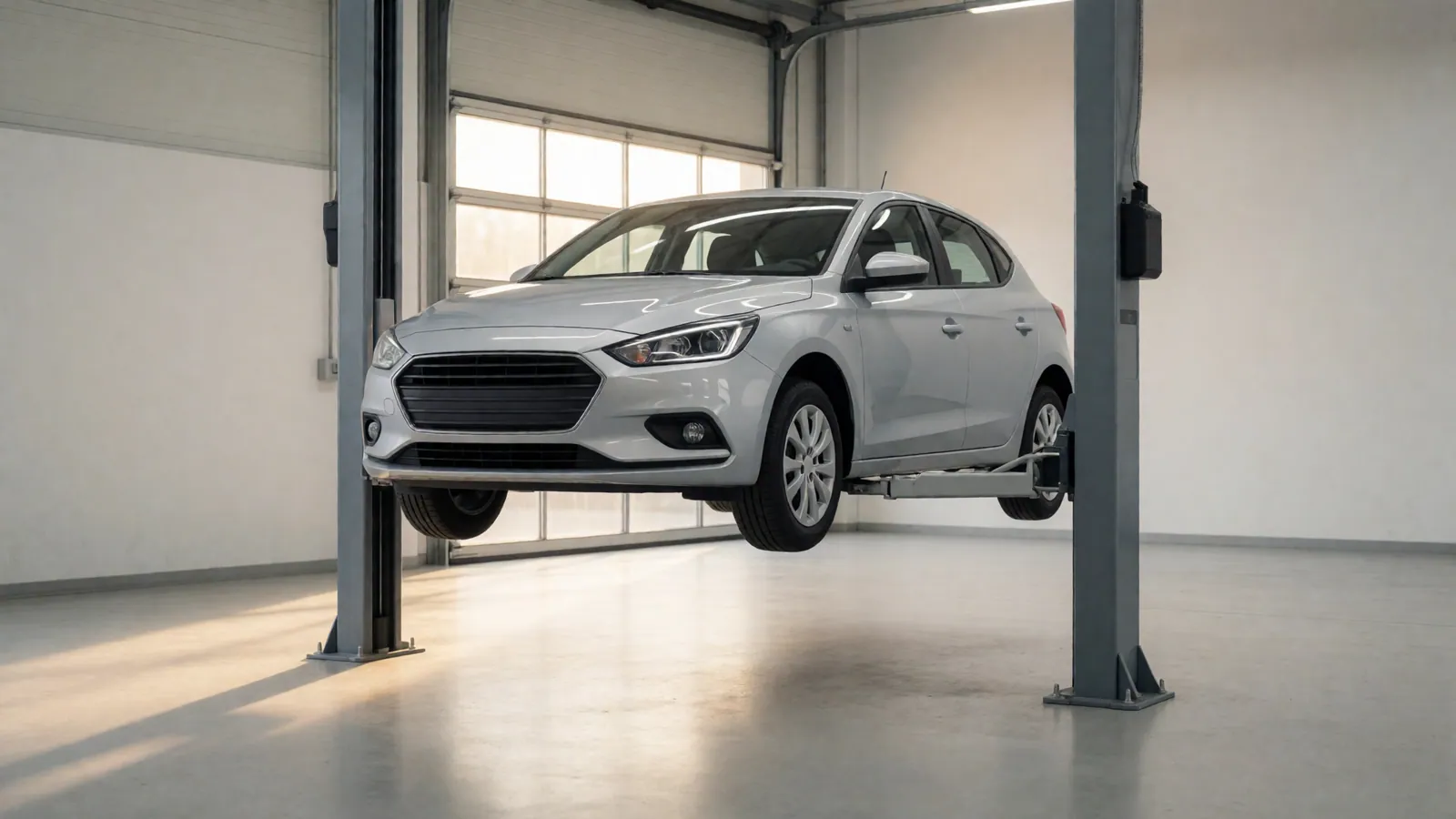
Any make, one process
We see everything from a ten-year-old Honda to a low-mileage BMW come through for this
The inspection is identical either way — the same two hours, the same lift, the same written report, whatever badge is on the hood.
We are an independent workshop. Woodside Car Service, LLC is an independent repair facility. We are not affiliated with, sponsored by, authorised by or a franchised dealer for any vehicle manufacturer. All manufacturer and model names are the trademarks of their respective owners and are used here only to describe the vehicles we service and repair.
Before you pay anything
Book the inspection before you buy the car
Two hours, $199, on a lift, with photographs — and we will tell you plainly whether we would buy the car ourselves at the price you have been quoted.