Something wrong right now? If a warning light is red, if the temperature gauge is climbing, if the steering or the brakes feel different from how they felt yesterday, or if you can smell fuel — stop driving and call us. A tow costs less than an engine. We will talk you through whether it is safe to bring it in under its own power before you try. Call 000-000-0000
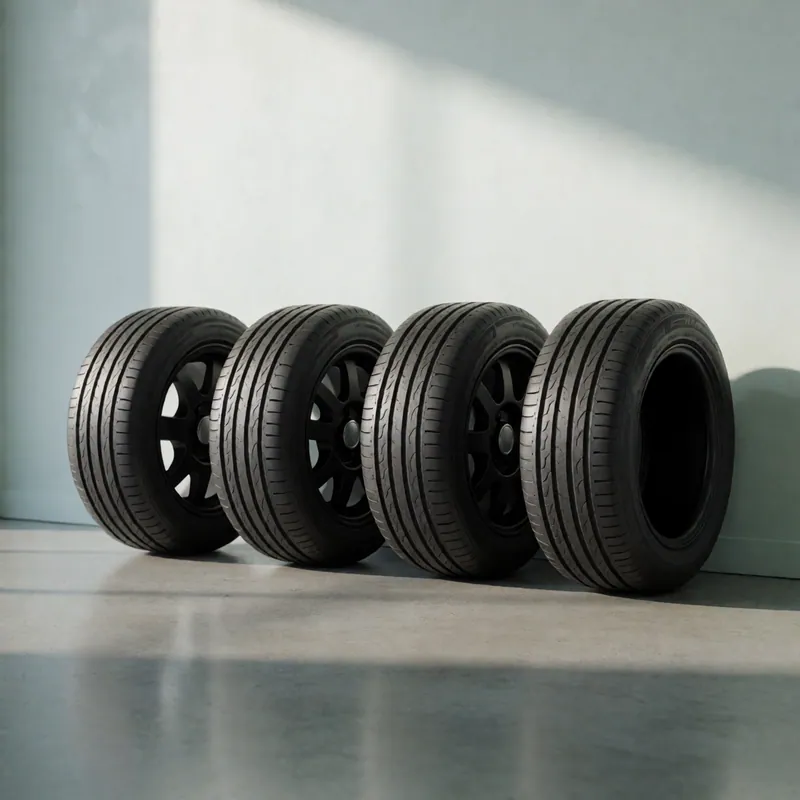
Seasonal tire storage in Woodside, NY solves a problem that has nothing to do with the tires themselves and everything to do with living somewhere without a garage. Running a winter and a summer set doubles the useful life of both, because each set only wears for half the year, but only if the set currently off the car has somewhere clean, dry and indoors to sit rather than a fire escape, a trunk, or a shared basement corner where anything left long enough eventually disappears.
The reason to run winter tires has less to do with snow than most drivers assume. A winter compound is formulated to stay pliable and grip well below roughly 45 degrees Fahrenheit, while a summer or all-season compound begins to stiffen at exactly that point and keeps stiffening as the temperature drops, losing grip on cold, dry, perfectly clear pavement as surely as it would on ice. A dry, 38-degree January morning is a winter-tire problem whether or not a single flake has fallen that week.
Running two sets is close to a wash over the life of a tire, because each set only sees half the mileage and half the seasonal extremes, and a tire that never grips in weather it was not built for lasts noticeably longer doing the job it was built for. What it is not free of is the storage question, which is exactly the part a Woodside apartment or a street parking spot cannot solve on its own — no fire escape, trunk or closet keeps rubber at a stable temperature the way a racked, indoor bay does.
Why winter tires are a temperature decision, not a snow decision
The compound is the whole story. Everything else is secondary to what the rubber does below a specific temperature.
The roughly 45-degree line
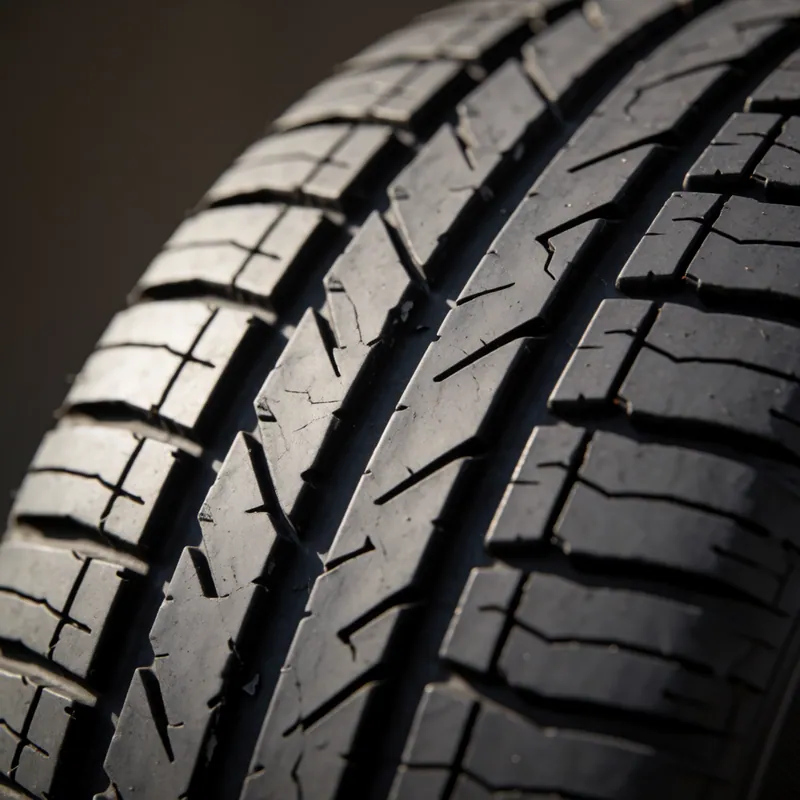
Below about 45 degrees Fahrenheit, a summer or all-season tire's compound stiffens measurably and keeps stiffening as it gets colder, losing grip on cold dry pavement long before ice or snow enters the picture. A winter compound is formulated to stay soft through that same range instead.
Why a dry, cold morning is still a winter-tire problem
Grip on clear, dry, cold pavement is often the case drivers most underestimate, assuming a winter tire is only for snow and ice. A stiffened summer tire brakes measurably longer on a dry 30-degree road than a proper winter tire does, with no snow involved at all.
Tread pattern is the secondary story
Winter tread is siped in fine patterns that bite into snow and slush, which matters, but it is the compound underneath doing most of the work in the cold, dry conditions that make up most of a Queens winter. An all-season tread pattern cannot compensate for a stiff compound.
Why all-season is a compromise, not a solution
An all-season tire is formulated to be adequate across the whole range rather than excellent anywhere in it, which is a reasonable choice for a driver who wants one set of tires and accepts the trade-off. It is a different decision from not knowing the trade-off exists.
The two weeks nobody plans for
The first hard freeze and the last one both arrive roughly on schedule, and everybody who has not swapped yet discovers it on the same cold morning. See /pricing.html for the changeover price and book ahead of that week rather than during it.
The economics of running two sets, and where the second one lives
Two sets cost more up front and less over the life of the tires — provided the one not on the car has somewhere proper to go.
Half the mileage, half the punishment
Each set only sees half the year's driving and only the weather it was designed for, so a winter set is not fighting summer heat and a summer set is never asked to grip in cold it was never built to handle. Both last measurably longer than one set doing both jobs.
The storage question a Woodside apartment cannot answer
A fire escape, a car trunk, a shared basement corner or a hallway closet all expose stored tires to temperature swings, sunlight or simple disappearance, none of which a rack in a climate-controlled storage bay has to deal with. This is the actual reason most apartment dwellers in Queens do not run two sets, not cost.
What indoor storage actually involves
Each tire is washed, checked for damage or a slow leak, bagged to keep the rubber from drying out and to keep tread grooves free of grit, labelled with your name and vehicle, and racked upright indoors rather than stacked flat, which prevents a flat spot developing in storage.
Sunlight and ozone, not just temperature
UV exposure and ground-level ozone both degrade rubber measurably faster than time alone, which is why a set left outside, even under a tarp on a balcony, ages faster than the identical set kept in a dark, ventilated storage bay.
What you get back each season
The same set, cleaned, checked and ready to mount, rather than a set you have to inspect yourself for damage from a winter spent in a trunk or a summer spent on a fire escape. See /wheel-balancing.html for why we road-force balance every remount rather than assuming last season's balance still holds.
Booking the changeover, and why October beats November
The same two weeks catch everyone who waited, every single year.
The first hard freeze fills the diary
Batteries, coolant and winter tires all tend to fail or get remembered in the same fortnight, and everyone discovers it on the same cold Monday. Booking in October rather than waiting for the first frost gets you an appointment on your own schedule rather than whatever is left.
What a changeover actually includes
The stored set comes off the rack, gets the same mount-standard inspection as a new tire, is road-force balanced and torqued to specification, and goes on the car while the set coming off goes through the same washing and bagging process before it is racked.
A case in point
A driver who had run the same winter set for four seasons complained of a vibration every single winter, assuming it was simply how the car felt in the cold. Rajib caught it during a routine October changeover: whoever had fitted the tires each year had never actually balanced them, and four wheels road-force balanced for $140 solved a problem she had lived with for four winters.
Why we balance every set at every changeover, not just new tires
Two remounts a year is twice the opportunity for a small imbalance to creep back in, and a set that was perfectly balanced last April is not guaranteed to still be balanced after six months on a rack and a remount. We check it every time rather than assume.
Booking two seasons at once
Most storage customers book the spring changeover at the same time they drop off in the fall, which locks in a slot before the November rush and means one phone call covers both ends of the season.
Tire Storage in western Queens
Cleaned, bagged, labelled and racked indoors between seasons, so the set you took off is exactly the set you get back.
It starts the same way whatever you are here for: the car goes on a lift, gets a free documented inspection, and you get photographs and a line-by-line price on your phone before anybody picks up a tool. Approve the lines you want. Silence is not approval and never has been.
Questions
Tire Storage — the questions we are asked most
How much does seasonal tire storage cost in Woodside, NY?
$95 a season for a set of four, which includes washing each tire, checking it for damage, bagging it, labelling it to your name and vehicle, and racking it indoors rather than stacking it flat. The changeover to put the stored set back on the car is a separate $120, which includes a full mount-standard inspection, road-force balancing and torque to specification on all four wheels.
Do winter tires actually matter if it doesn't snow much in Queens?
Yes, because the case for winter tires is mostly about temperature rather than snow. A winter compound stays pliable and grips well below about 45 degrees Fahrenheit, while a summer or all-season tire's compound stiffens at that same point regardless of whether there is any snow or ice on the road at all. A dry, cold January morning is a winter-tire situation on its own.
Is it actually cheaper to run two sets of tires?
Close to a wash over the life of the tires, and often better, because each set only covers half the year's mileage and only the conditions it was designed for. A winter tire never has to fight summer heat and a summer tire is never asked to grip in cold it was not built for, so both tend to last longer than one set doing both jobs badly.
Why can't I just store my tires on my apartment balcony or in the trunk?
You can, but they will age faster than they need to. Sunlight and ground-level ozone degrade rubber measurably quicker than time alone, and temperature swings on a fire escape or in a hot trunk do the rest. Indoor, racked, bagged storage keeps a set closer to the condition it was in the day you took it off the car, which is the entire value of paying for it.
Why should I book my changeover in October instead of waiting?
Because the first hard freeze catches everybody at the same time, every year, and batteries, coolant and winter tires all tend to fail or get remembered in that same fortnight. Booking in October gets you an appointment on your own schedule; booking after the first cold snap gets you whatever slot is left in a diary that filled up two weeks earlier than you expected.
Will my stored tires be balanced when I get them back?
Every changeover includes a full road-force balance and torque to specification on all four wheels, whether the set was perfectly balanced when it went into storage or not — two remounts a year is two chances for a small imbalance to creep back in. We have fixed more than one long-running vibration that turned out to be a winter set that had simply never been balanced properly in the first place.
What is your warranty on tire storage and changeover?
The changeover itself — the mount, the road-force balance and the torque to specification — carries our standard 24 months, 24,000 miles warranty on the workmanship, the same as every other job in the building. What we cannot warrant is a tire surviving indefinitely in anyone's storage, ours included, if it was already close to the end of its safe life before it went on the rack — we will tell you honestly at drop-off if a set looks like it is on its last season.
Can I store just two tires, or does it have to be a full set?
It can be two, though almost everyone storing seasonally is storing a full second set of four along with its own wheels. Pricing is per season for the set you bring us, so two tires cost less than four — ask at drop-off and we will confirm the exact number for what you are actually storing.
Related
Usually booked alongside this
Tires & Wheels
Tire Change
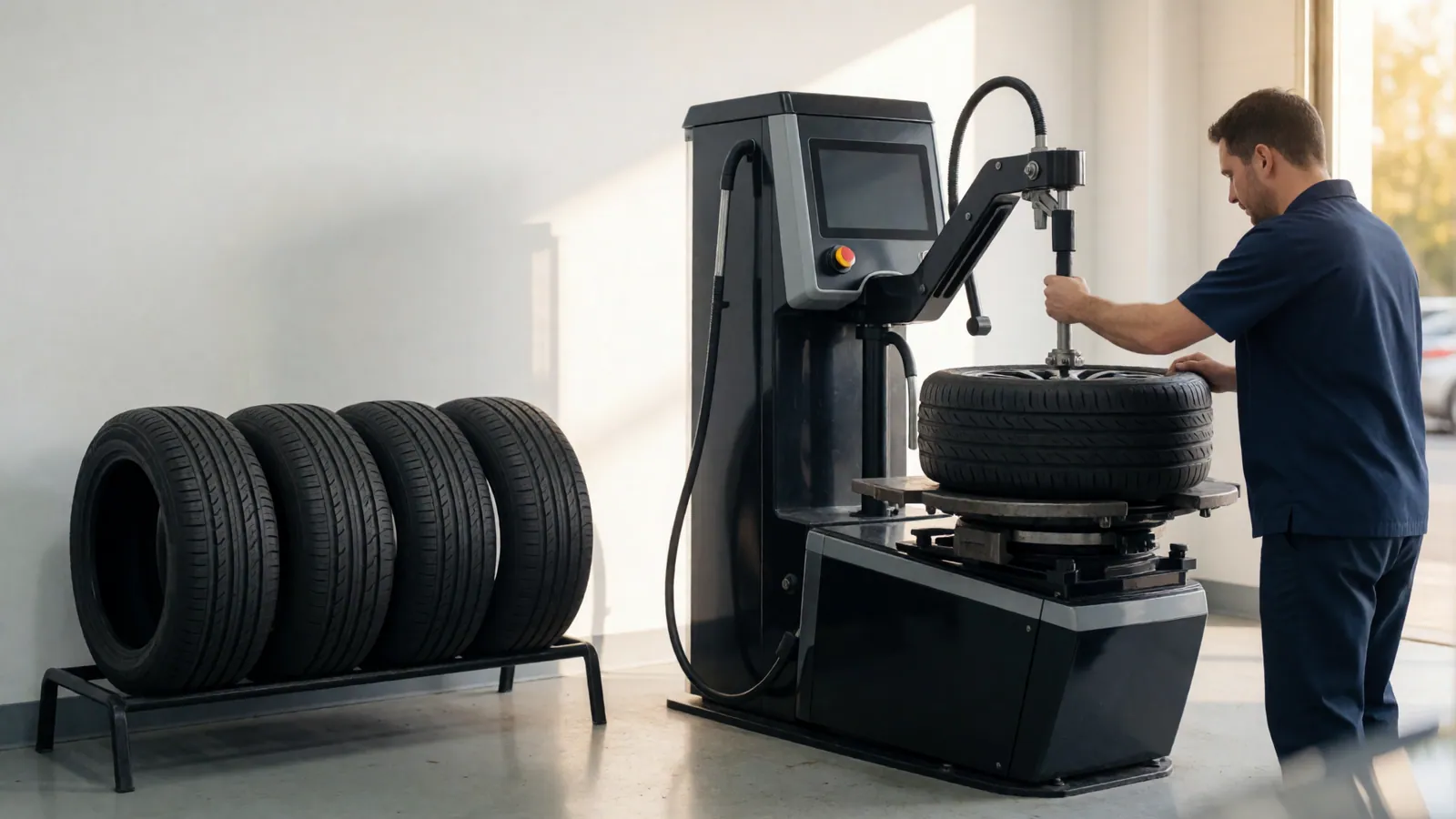
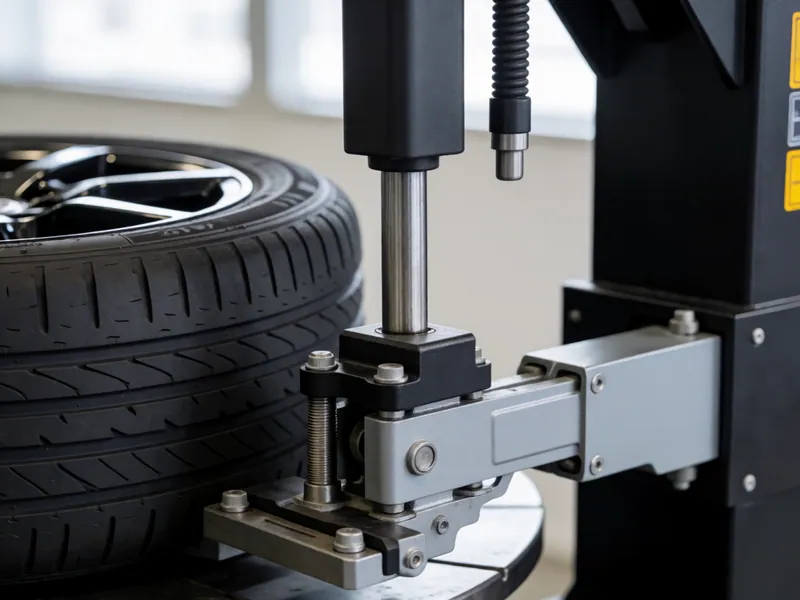
Dismount, mount, road-force balance, a new valve stem and a torque to specification, never an impact gun run to a stop, for $35 a wheel.
Read more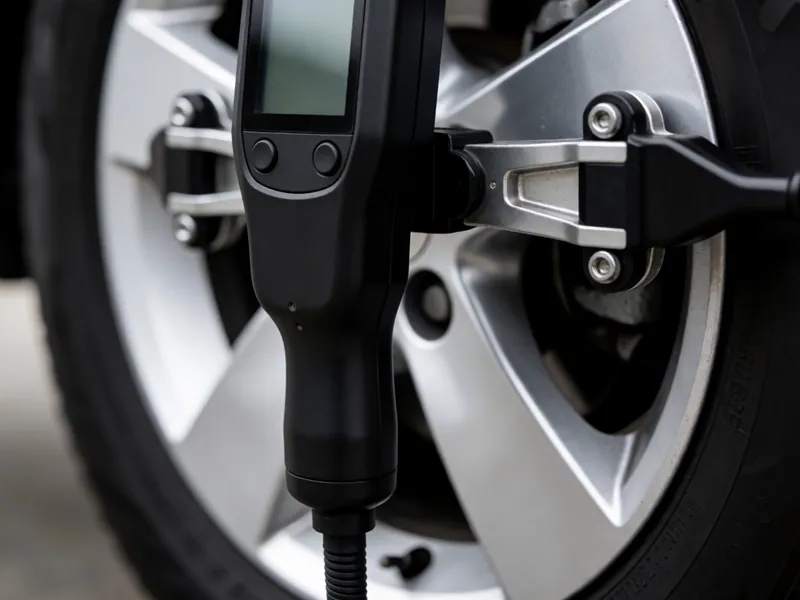
Tires & Wheels
Wheel Alignment
Four wheels measured against each other and against the manufacturer's own geometry, with a printed before-and-after figure whether or not adjustment was needed.
Read more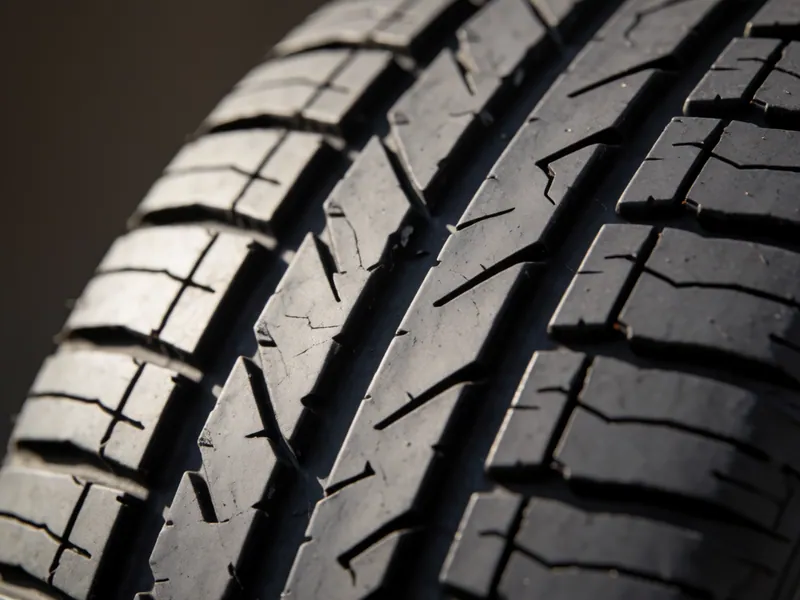
Tires & Wheels
Tire Repair
A patch-plug repair from the inside, done only where the damage sits inside the safe repair area, not a plug pushed in from outside.
Read moreA written estimate with photographs, before any work
Book your car in
Every car that comes in goes on a lift and gets a documented inspection before anything is priced, and that inspection is free. You get photographs of what we found and a line-by-line estimate on your phone, and nothing happens until you reply.